Comunidad Inti Wara Yassi homepageComunidad Inti Wara Yassi
Espaņol English Francais Polish Loyalty, Love, Solidarity, Bravery, Harmony, Humility


Quest Overseas


Search


[admin click here]

Volunteer at Ambue Ari

  Volunteer Home

  Volunteer at Machia

  Volunteer at Jacj Cuisi

Information about volunteering at Parque Ambue Ari.

The park:

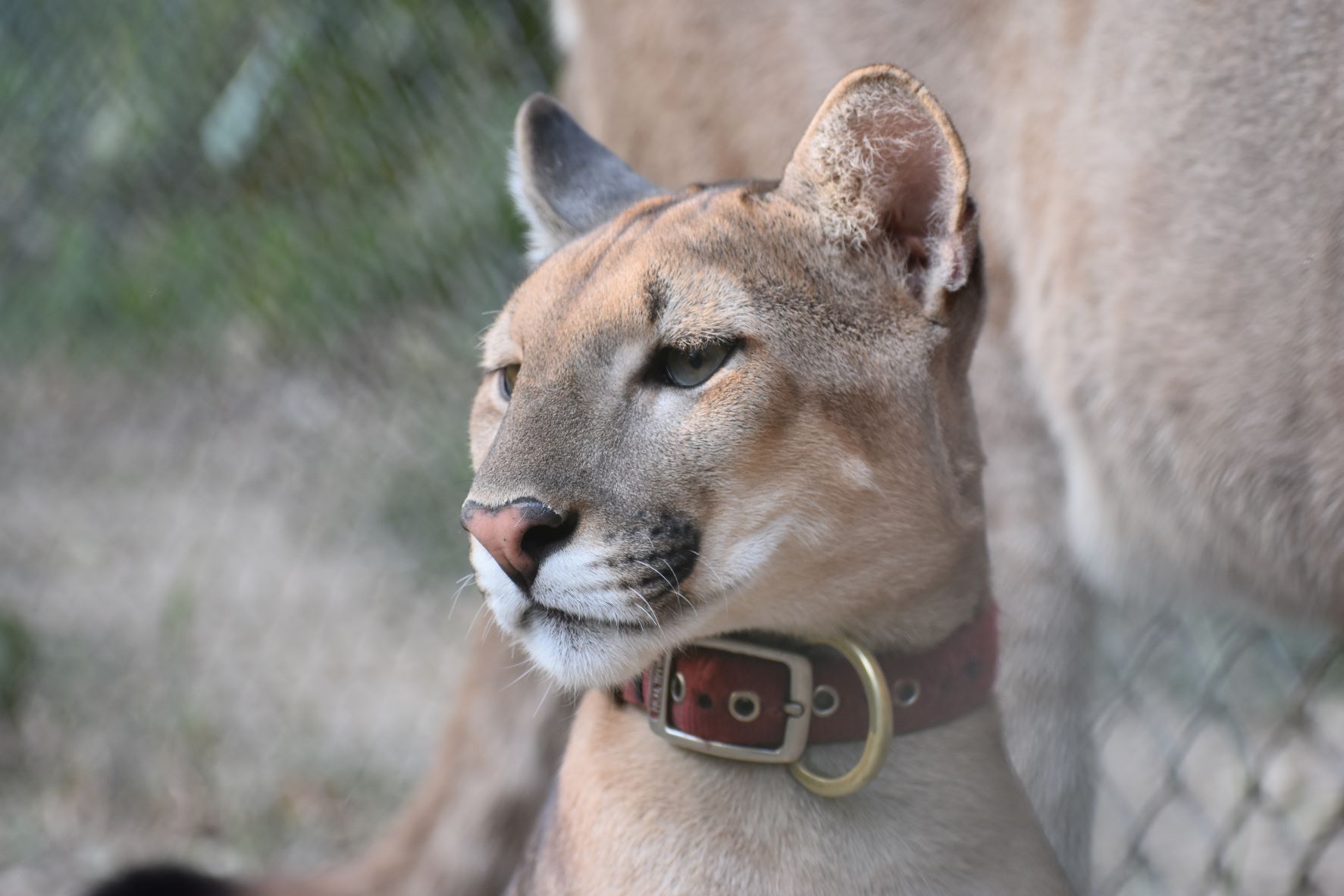
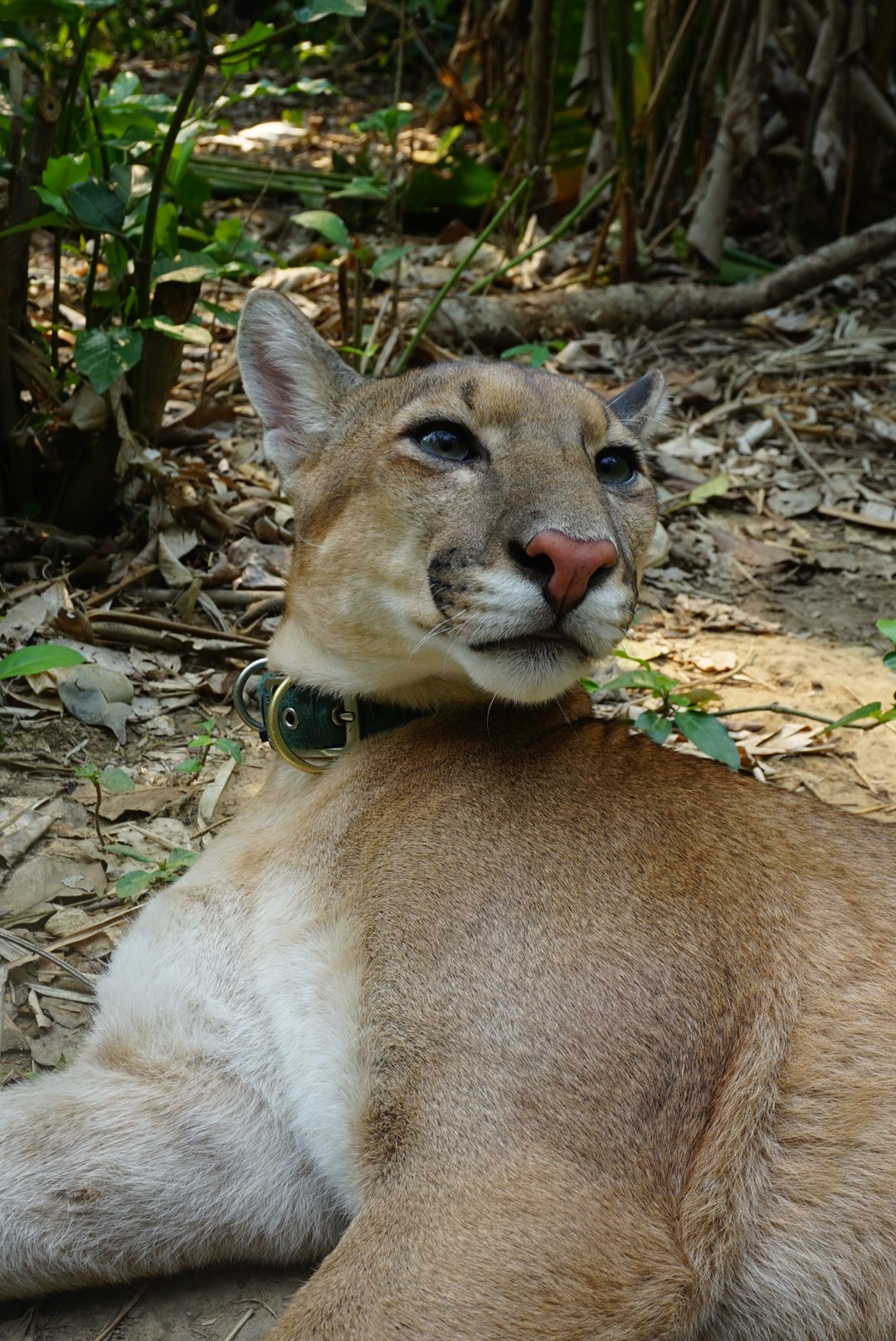
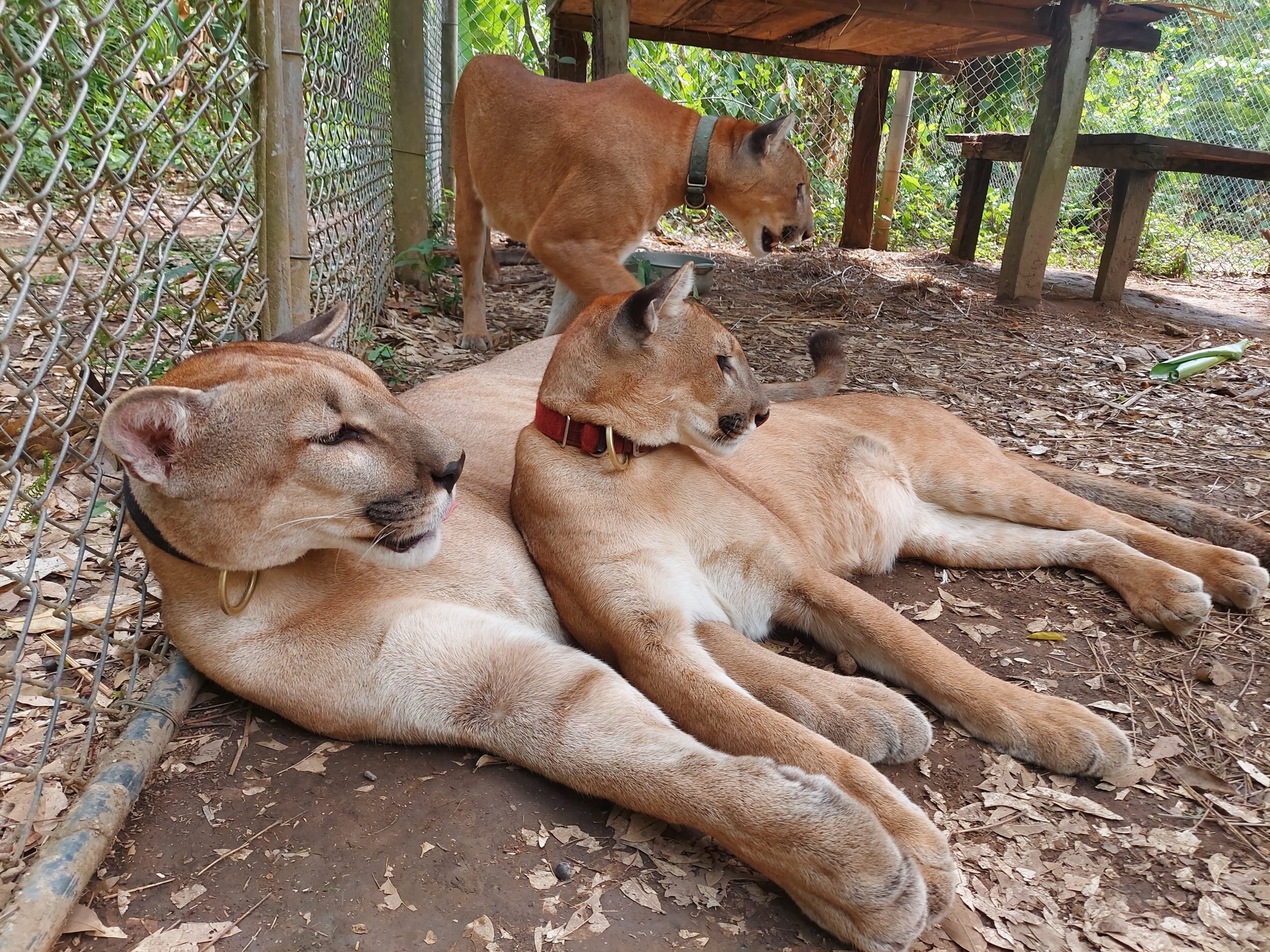
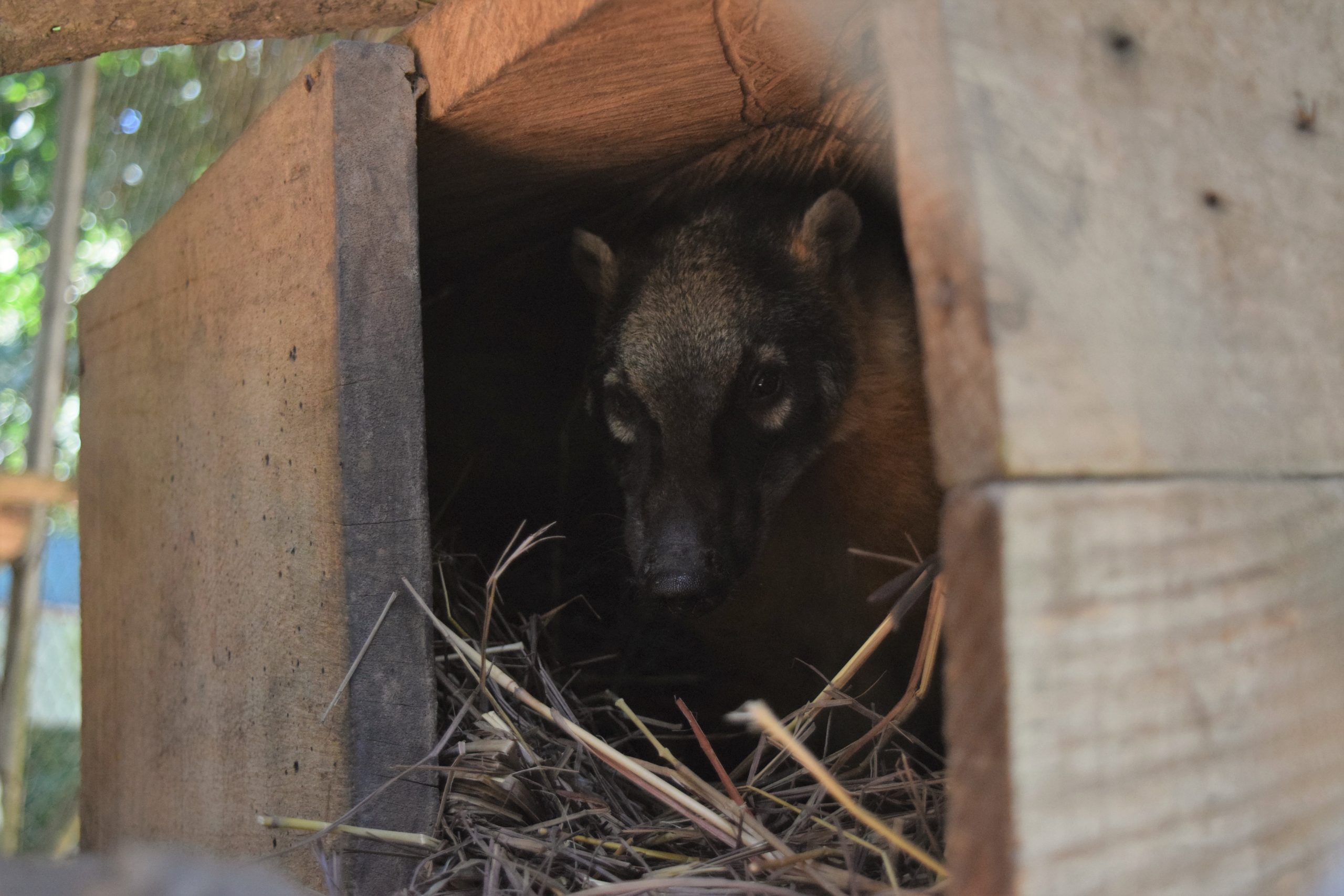
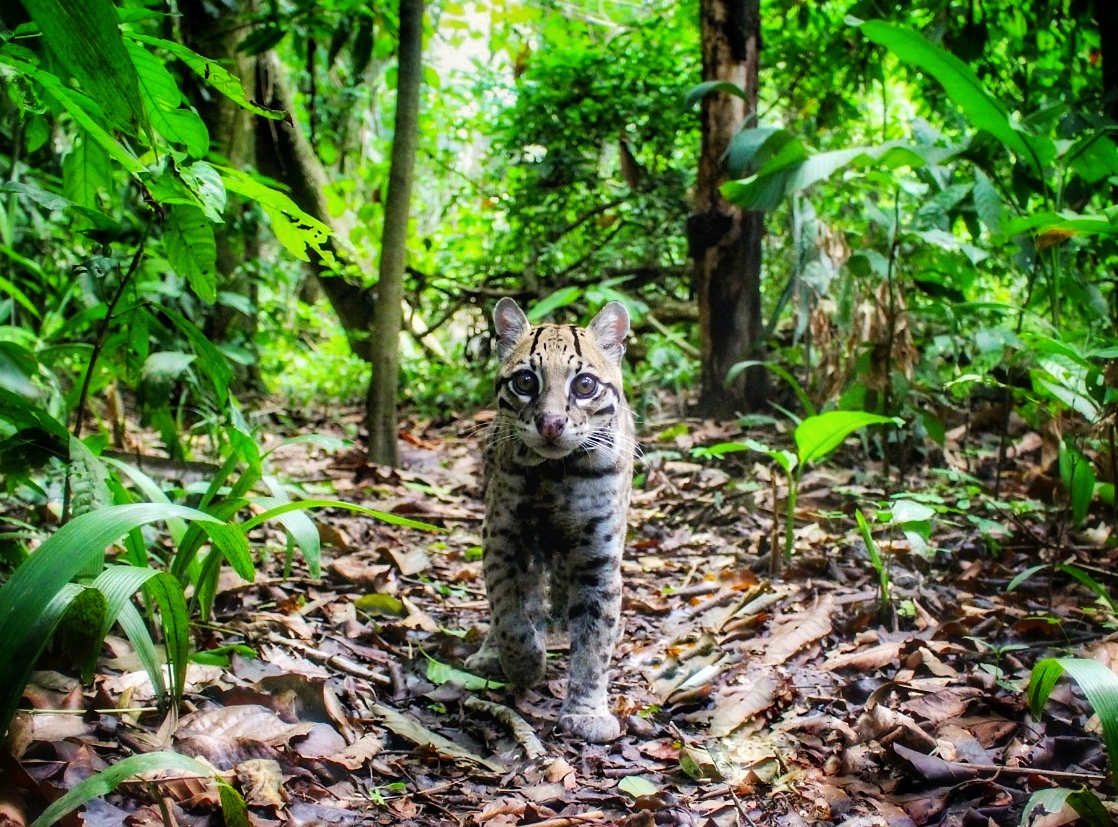
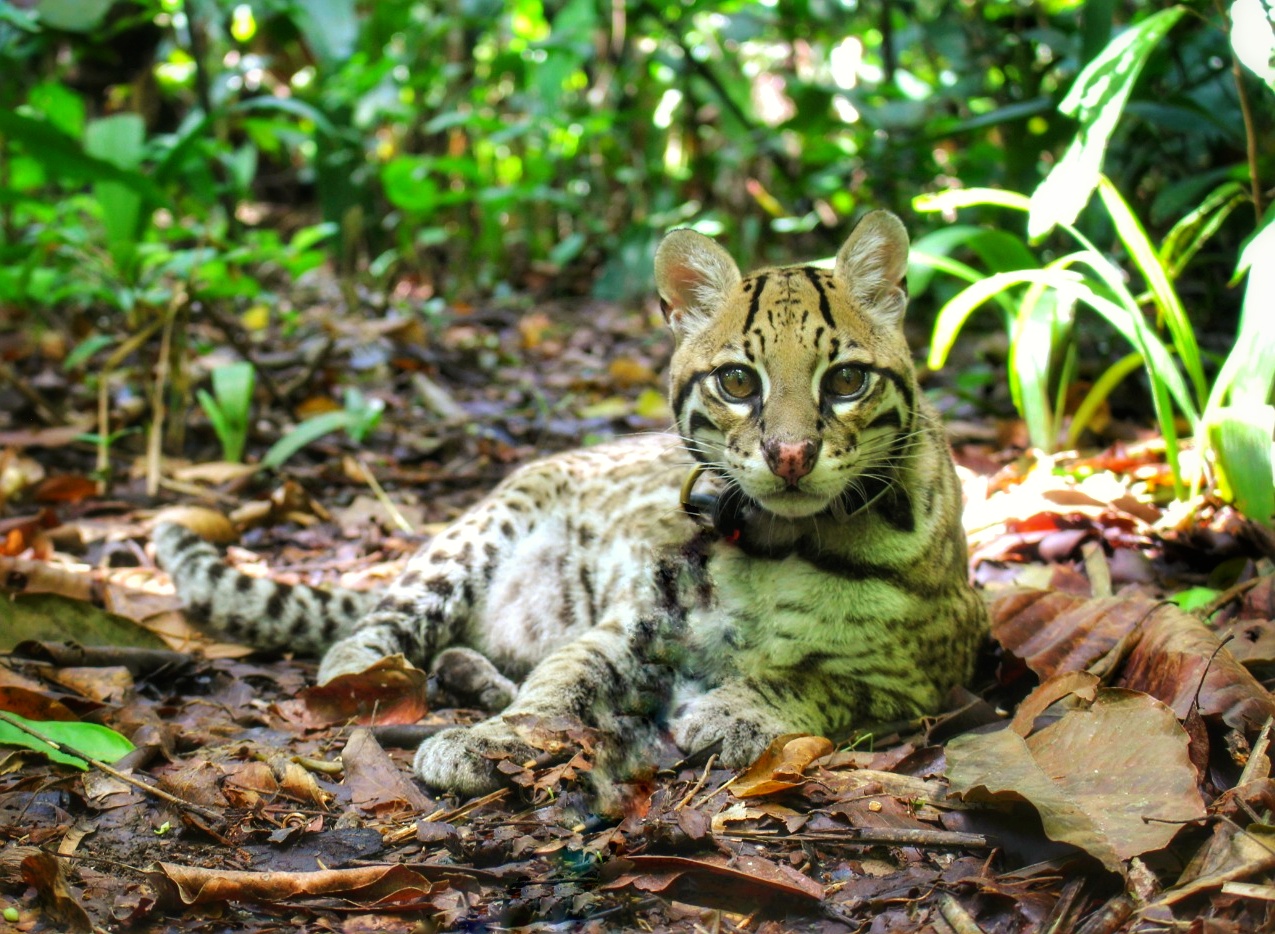
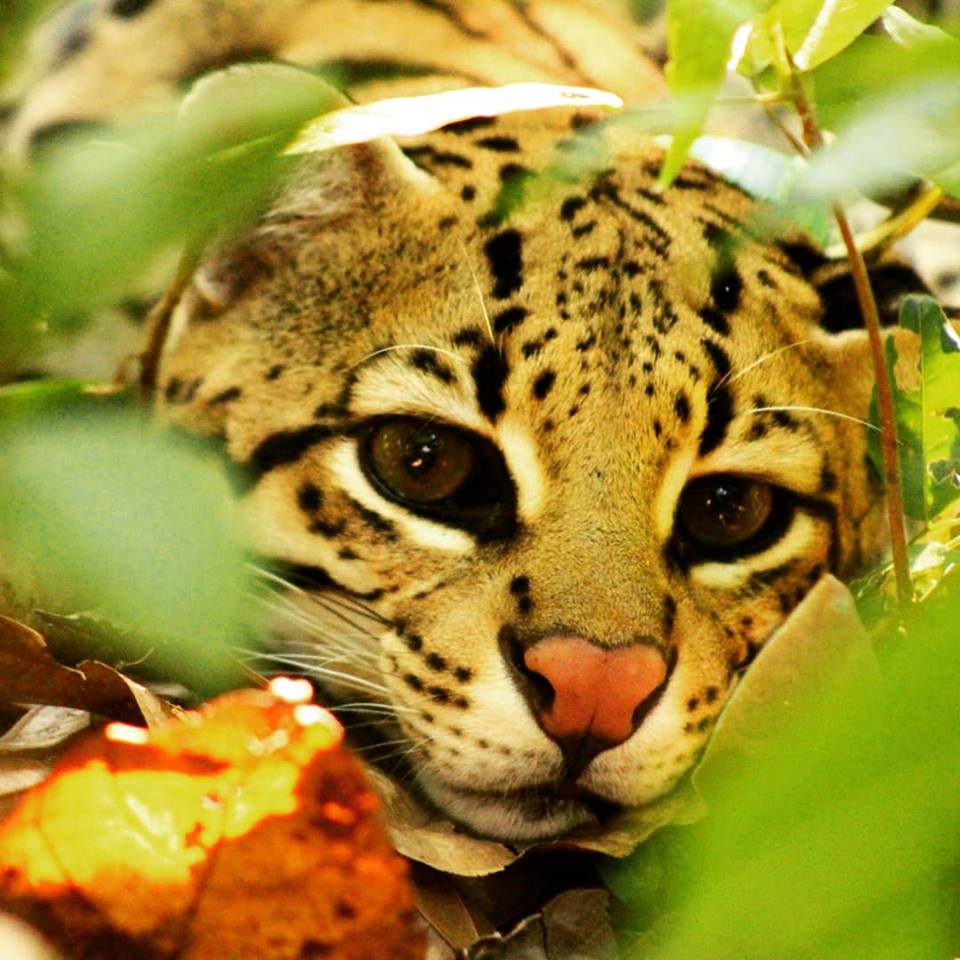
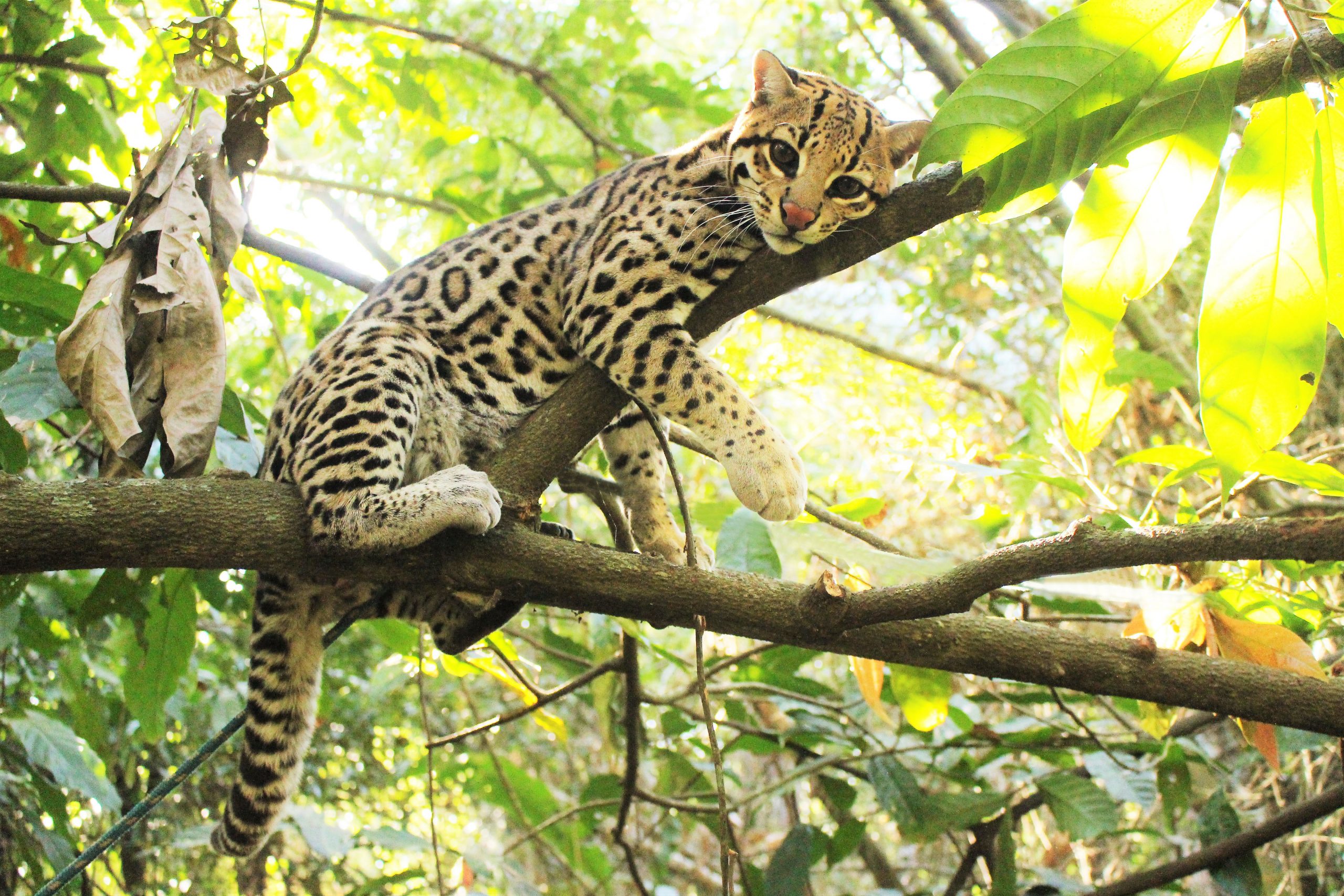
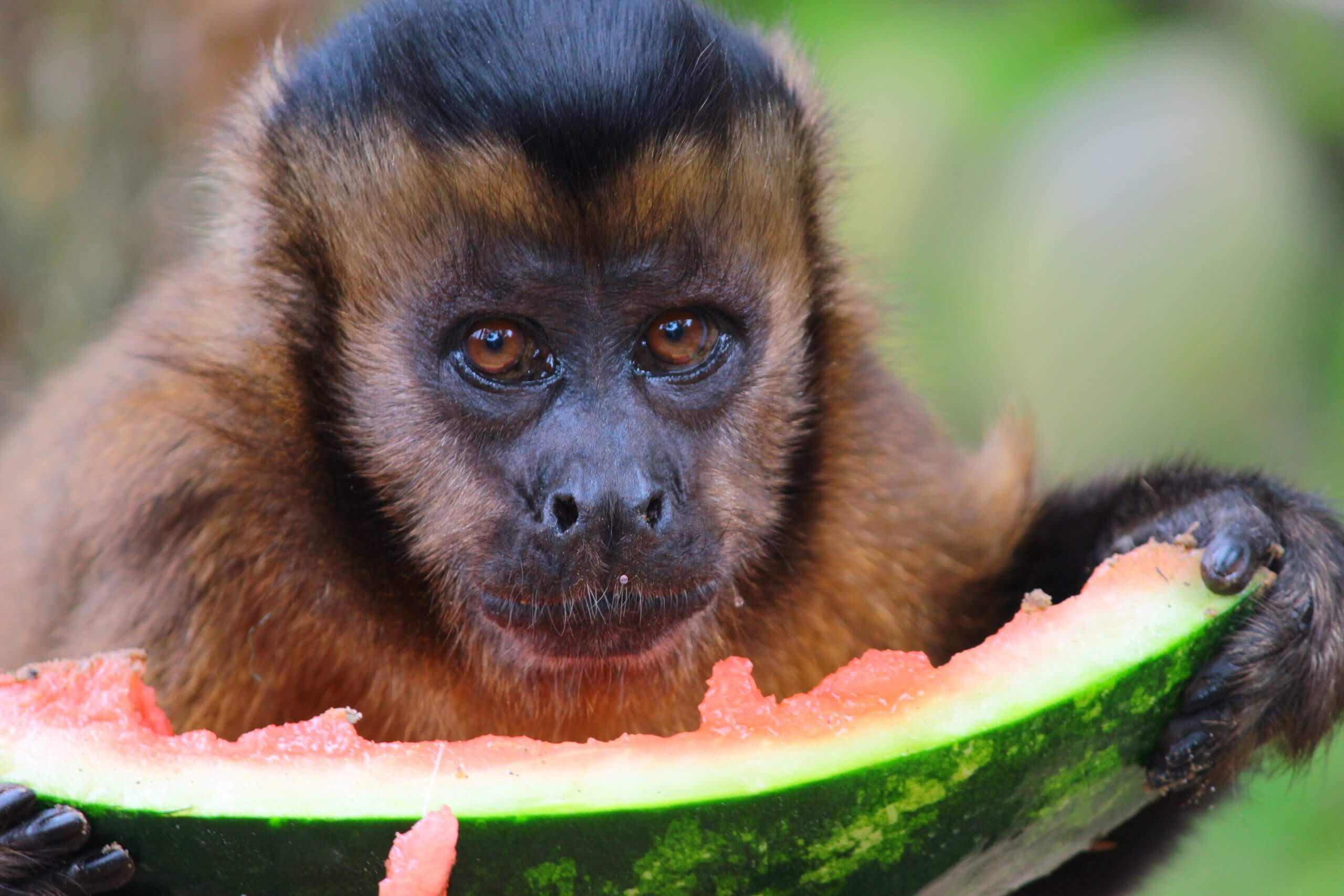
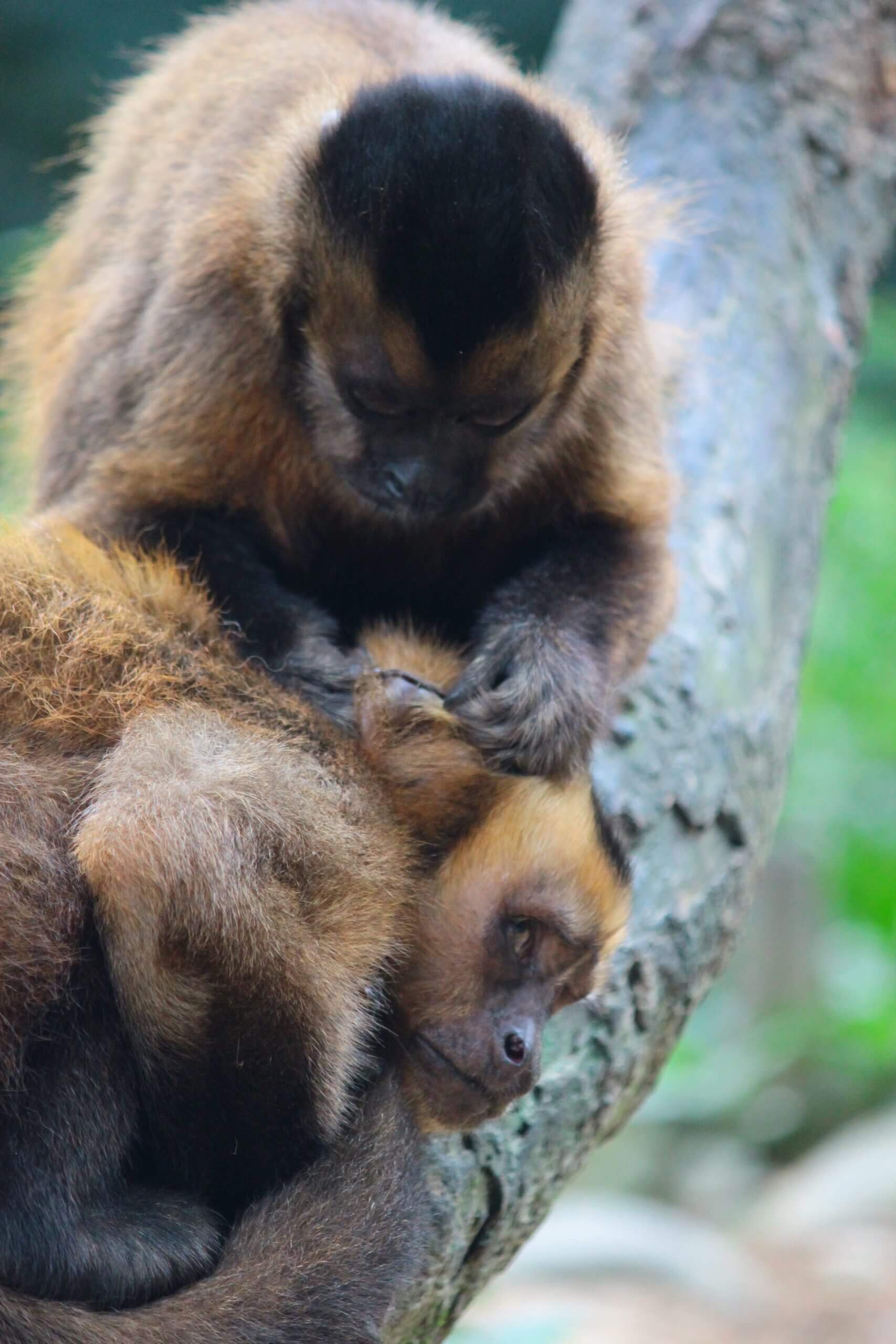
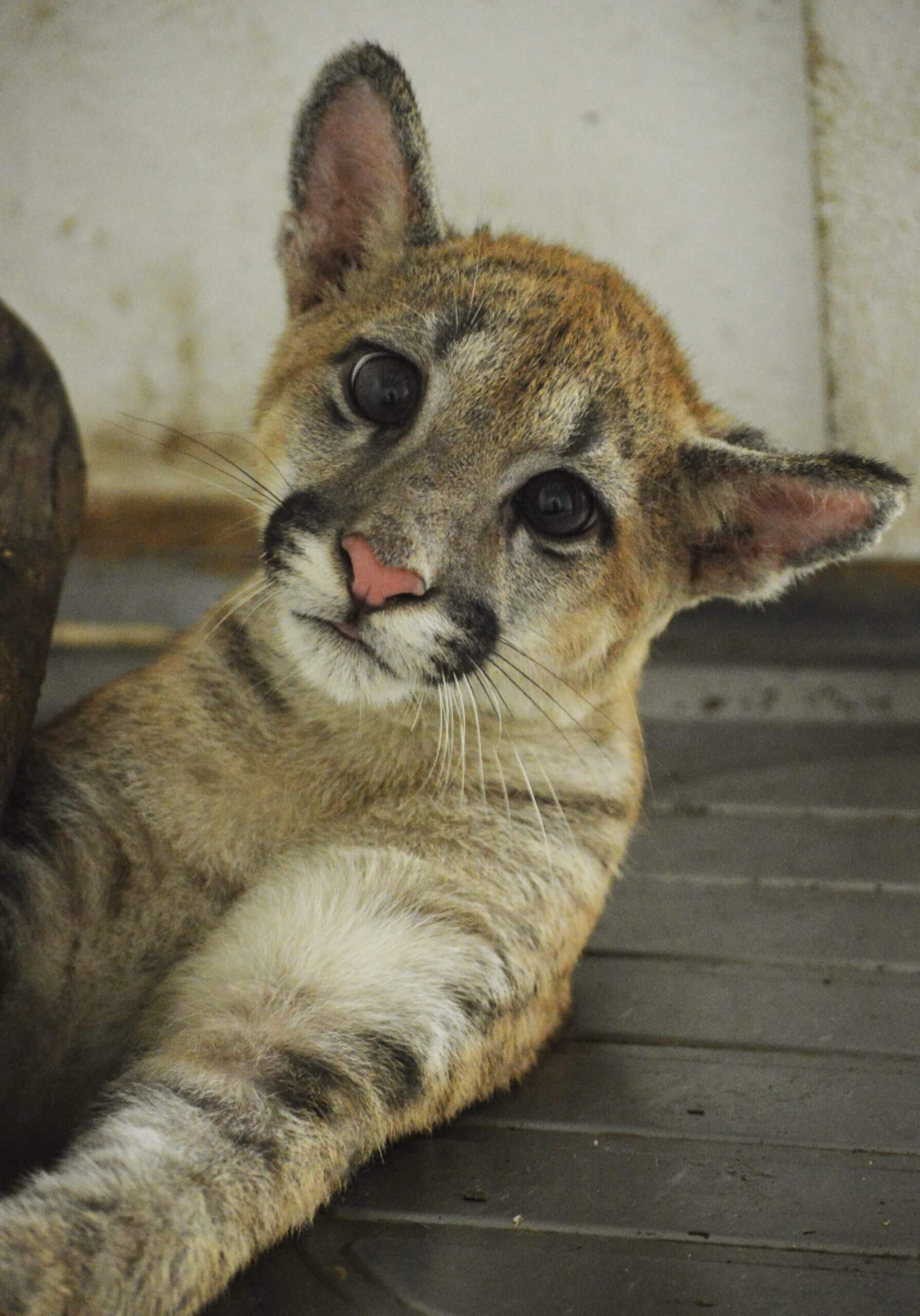
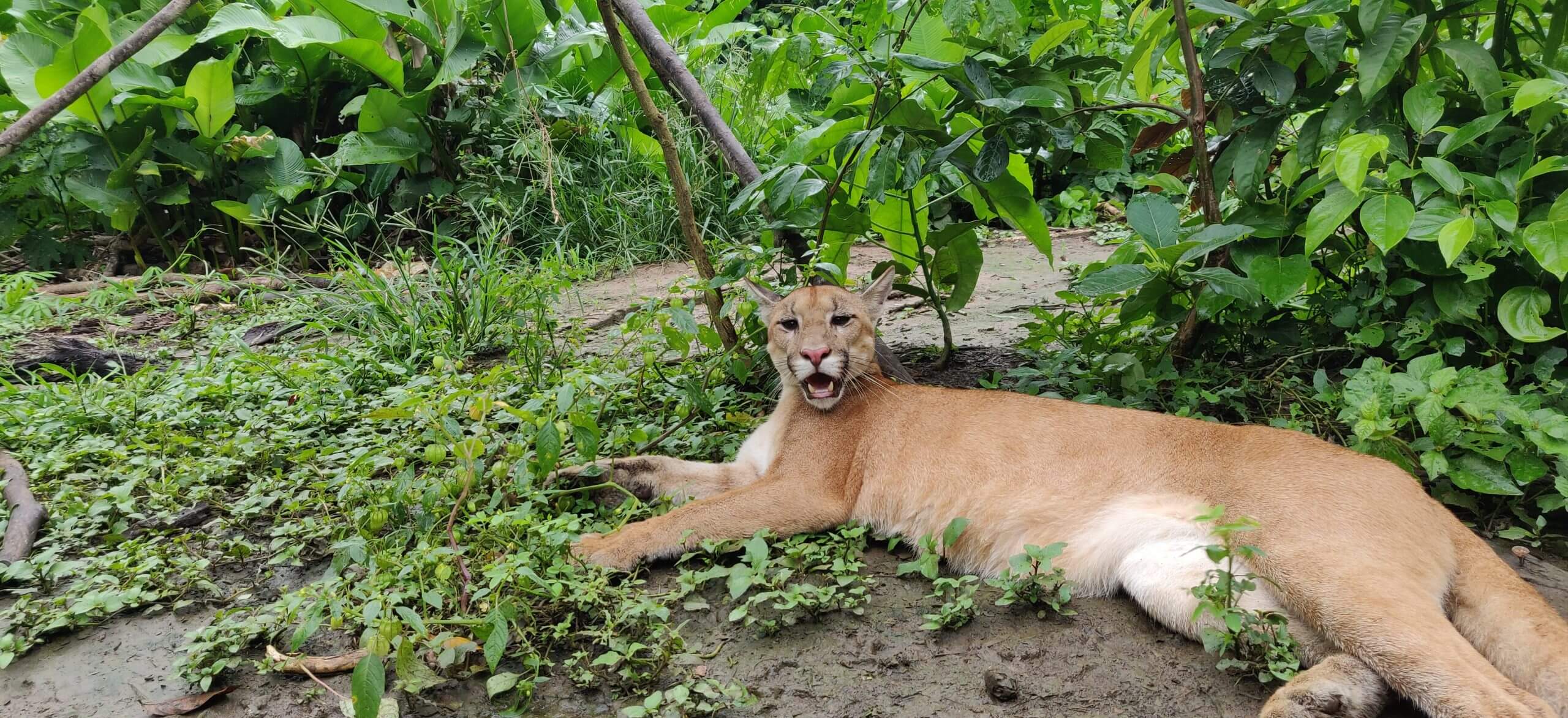
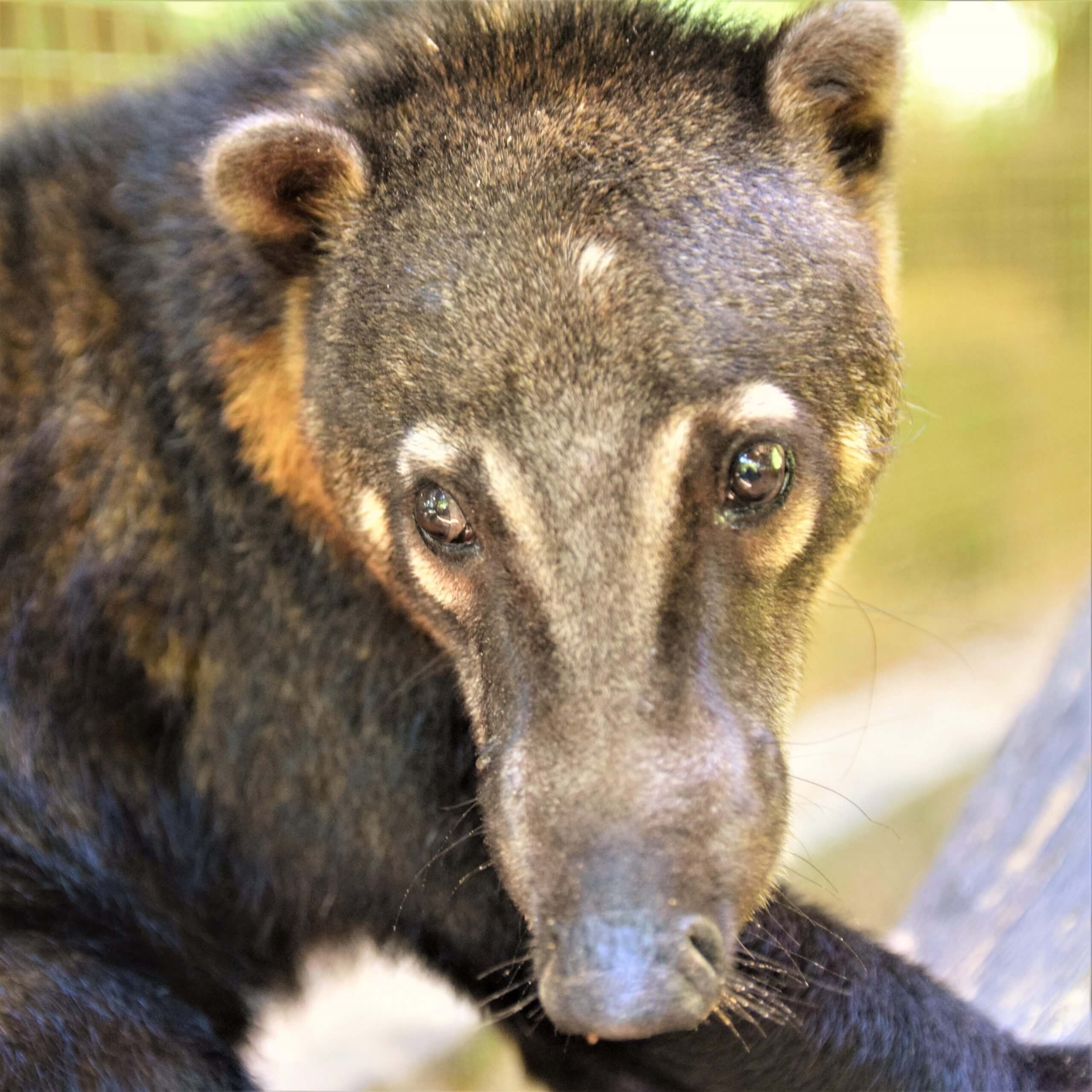
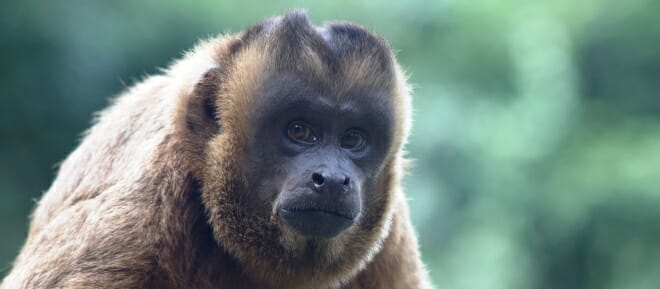
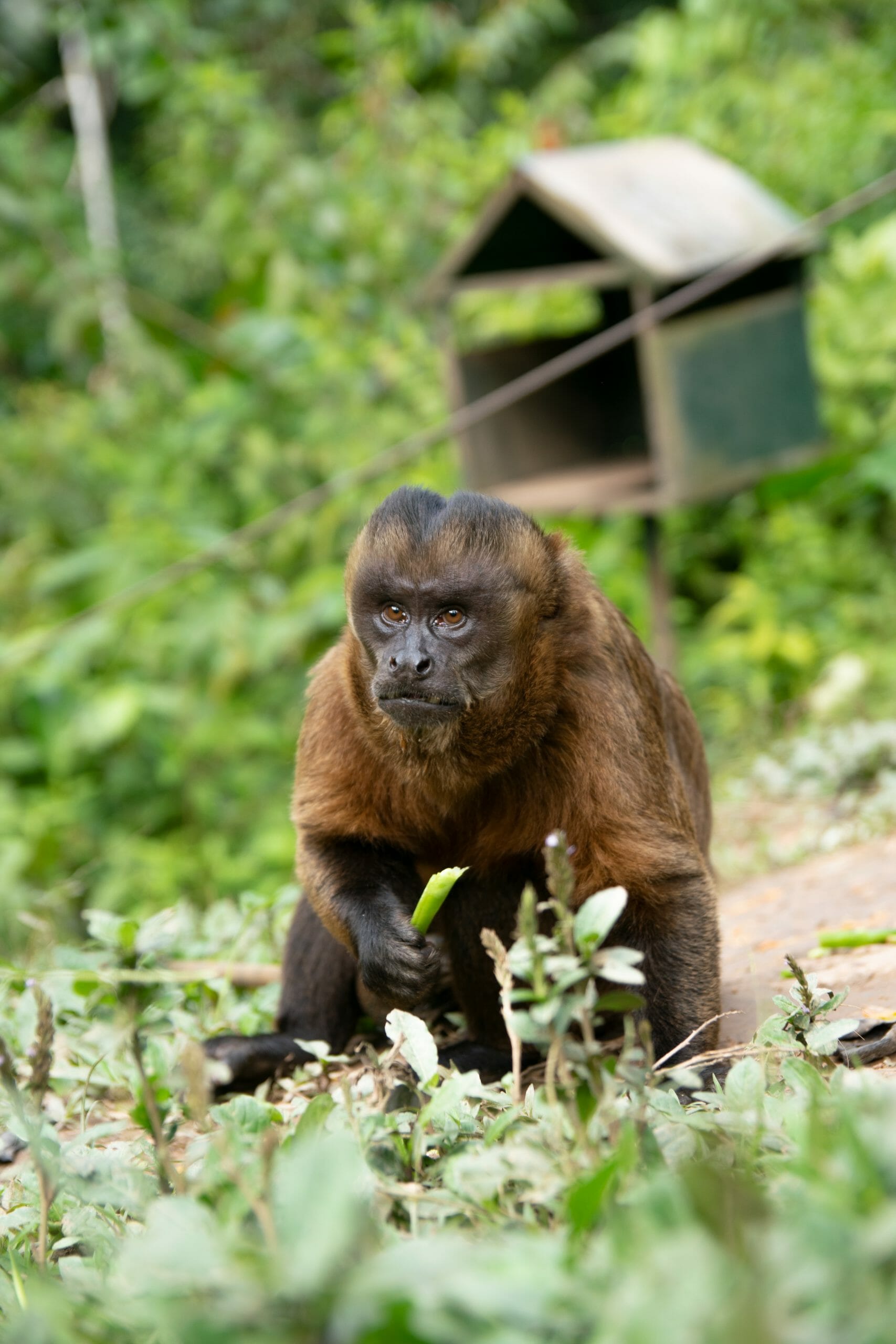
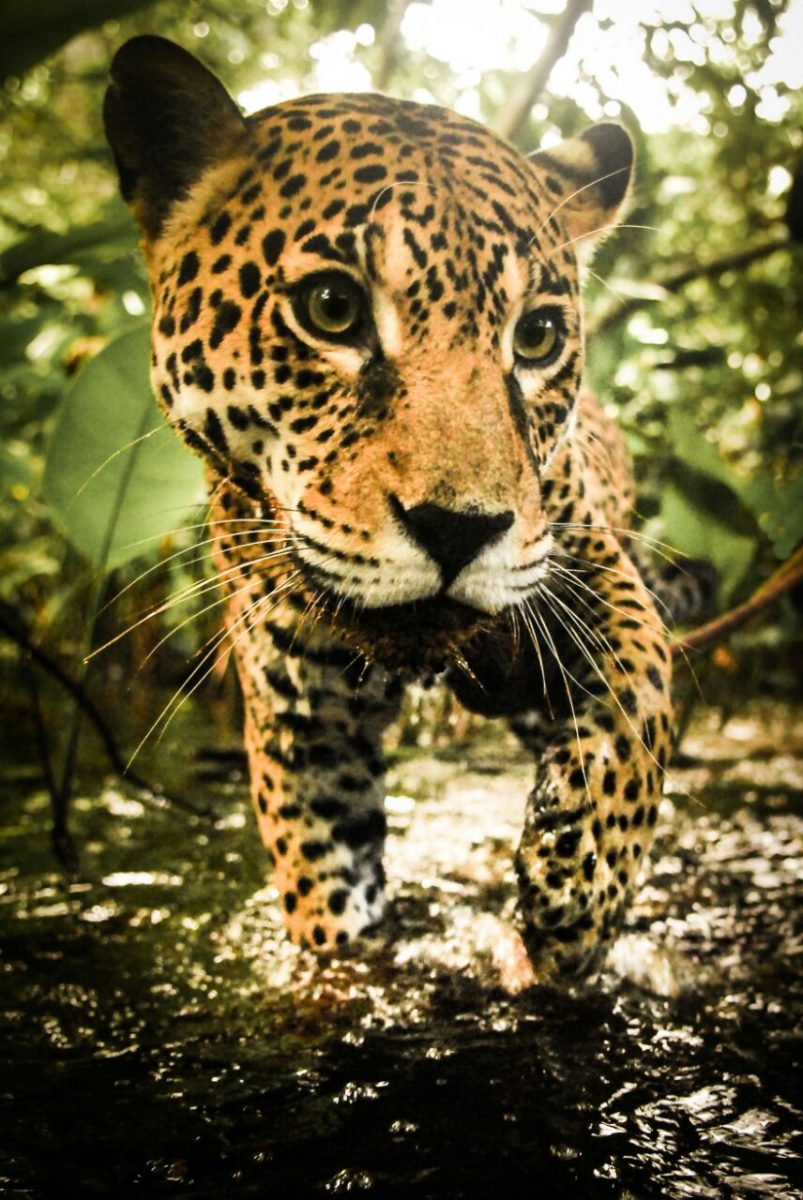
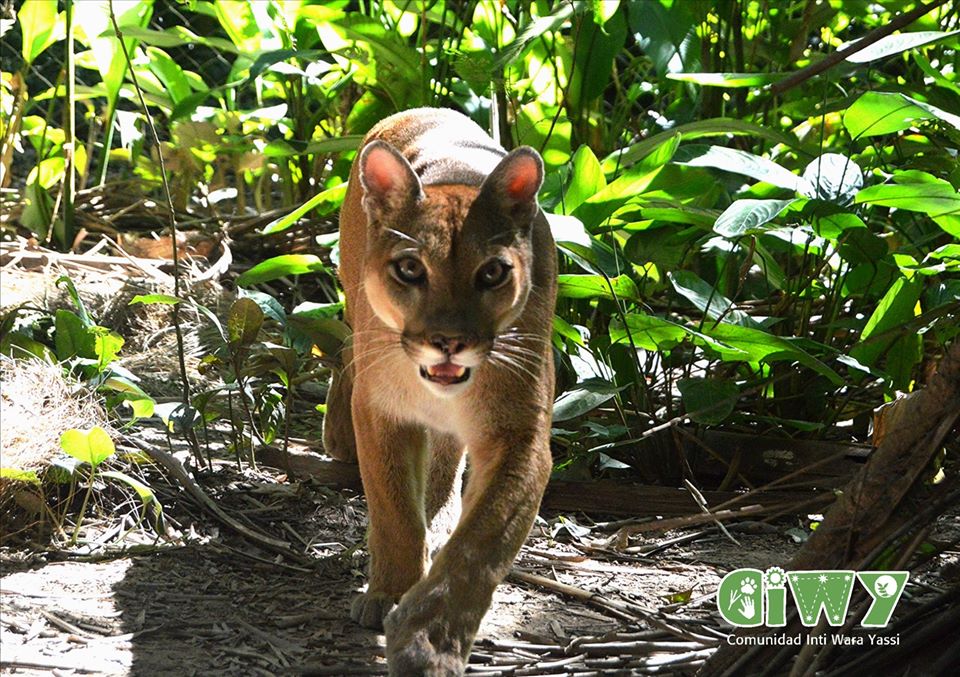
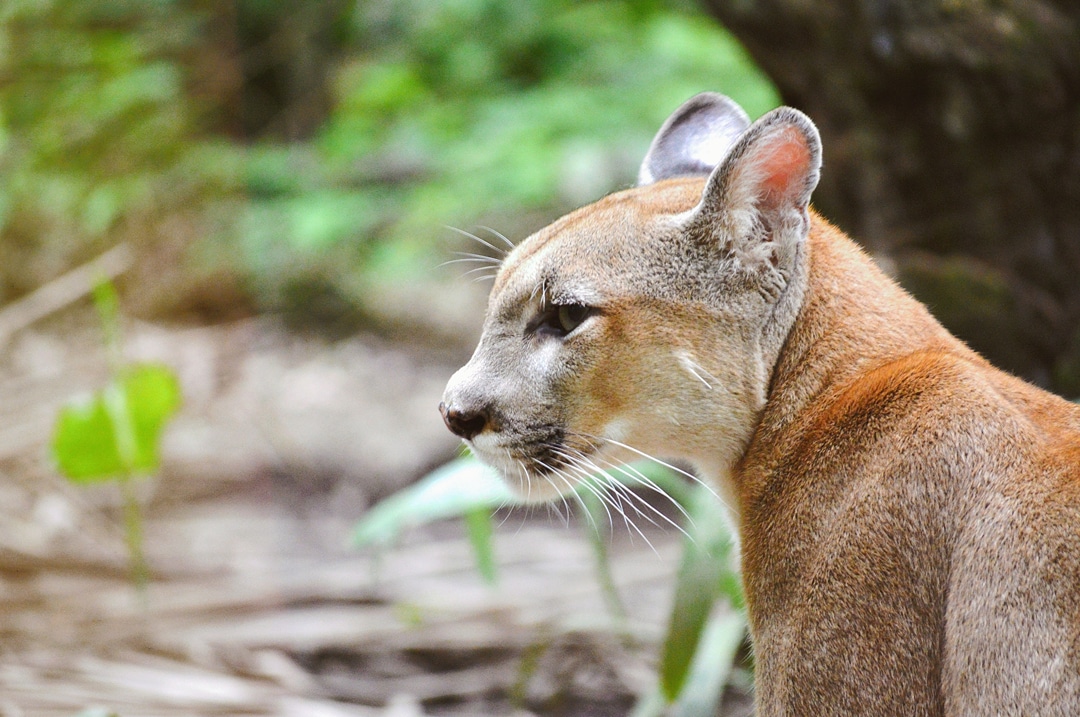
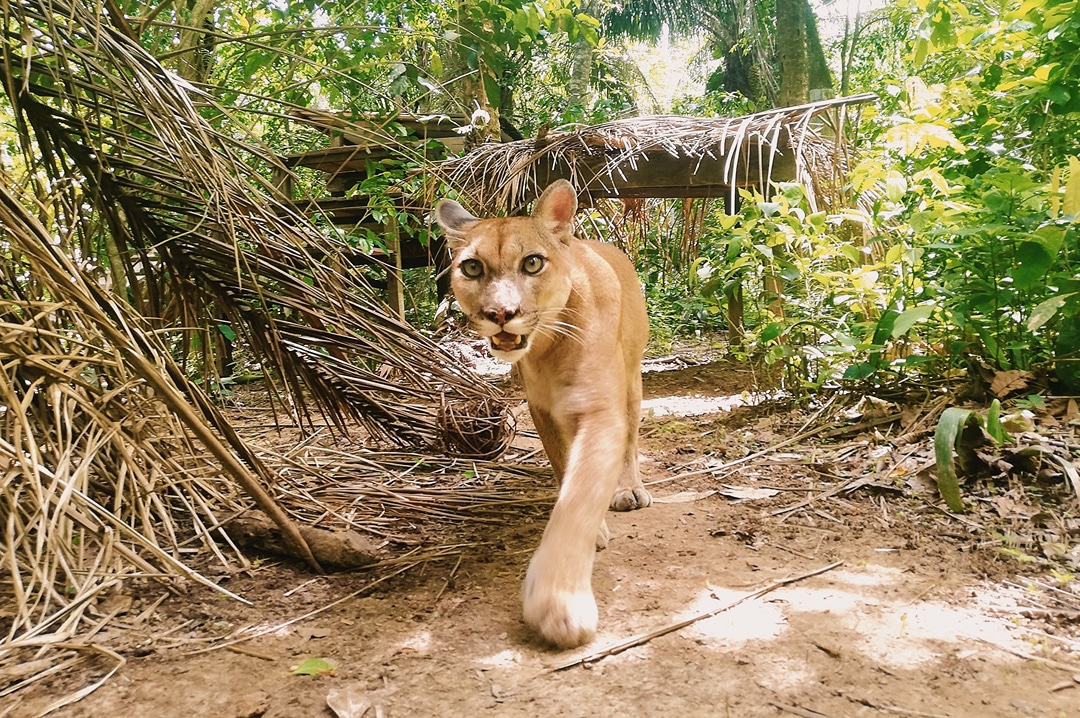
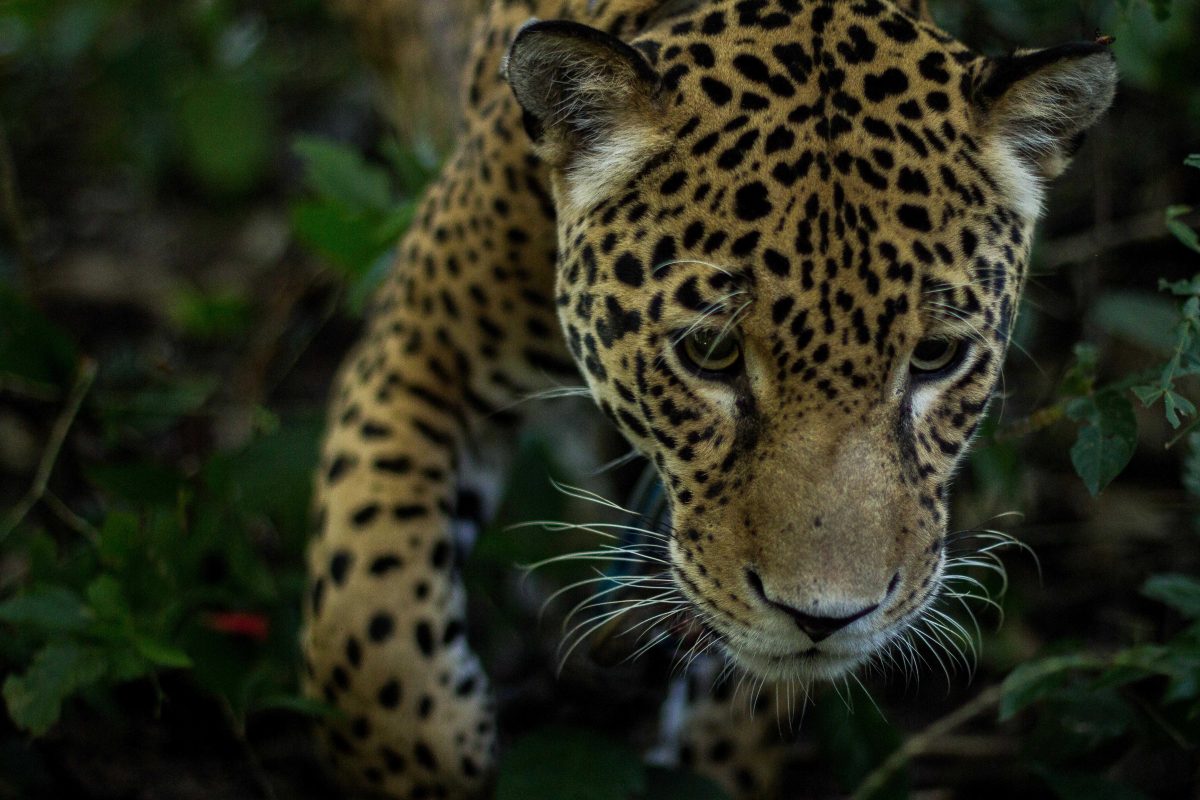
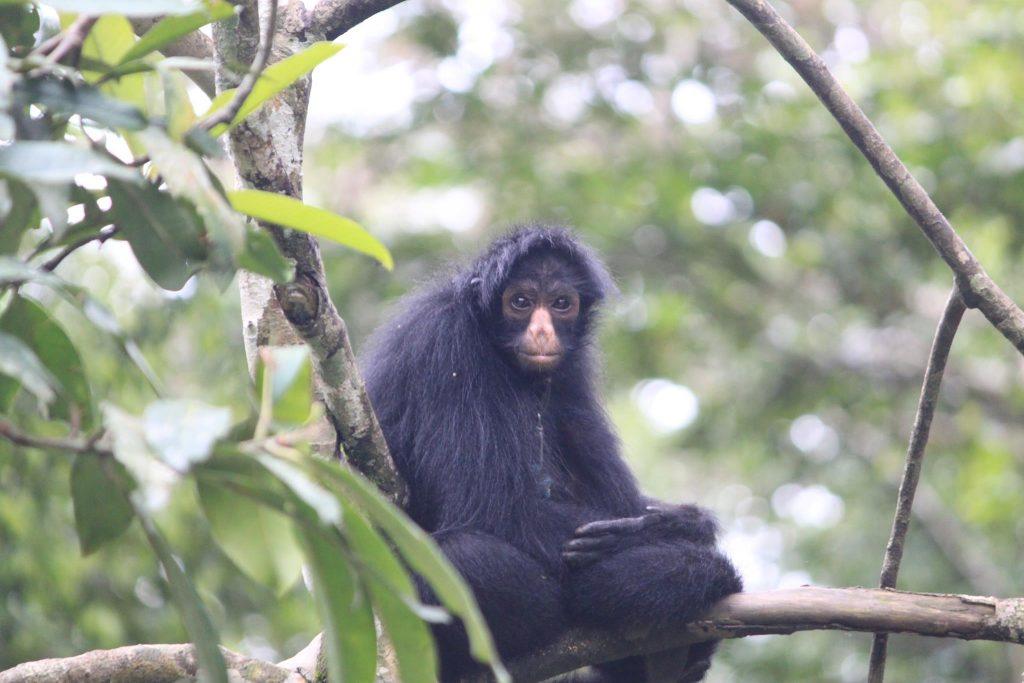
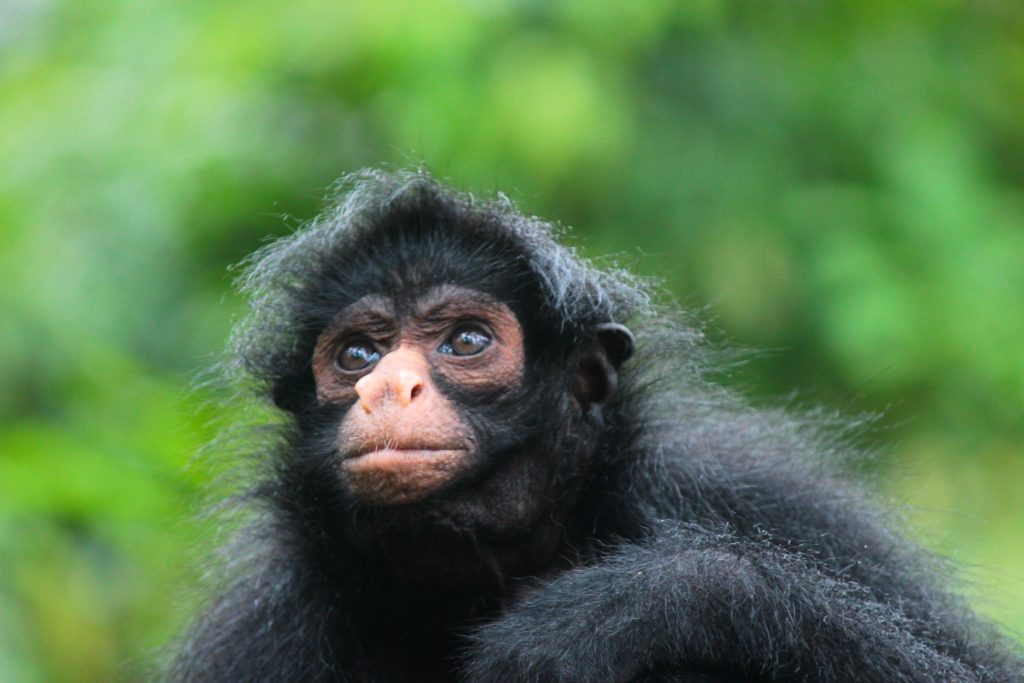
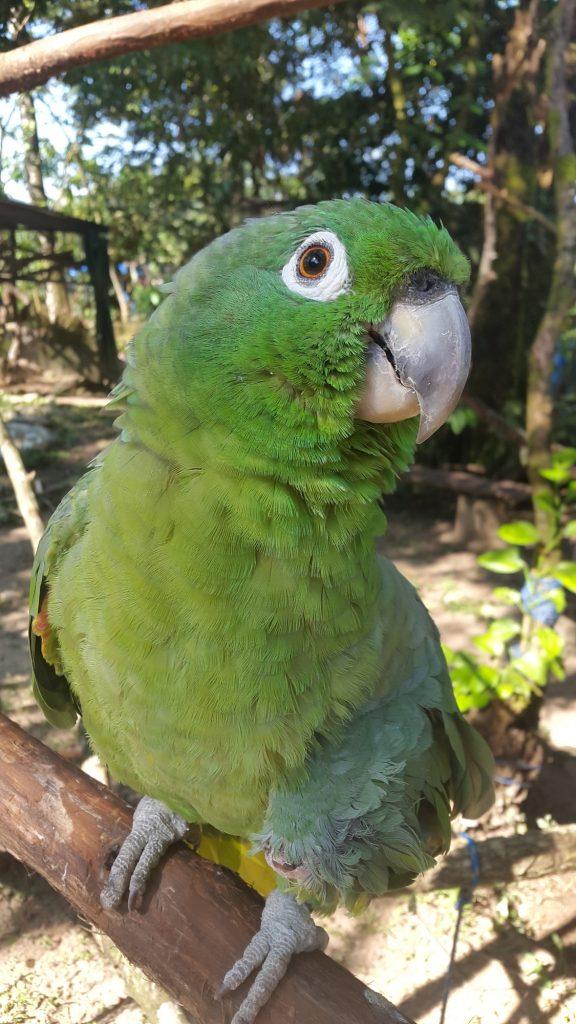
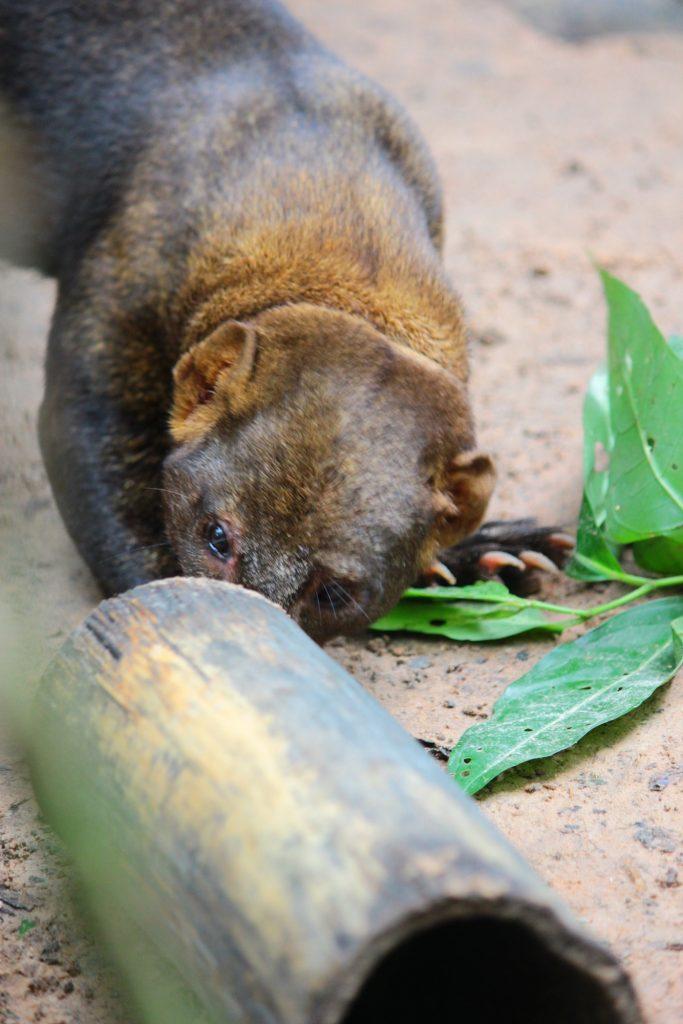
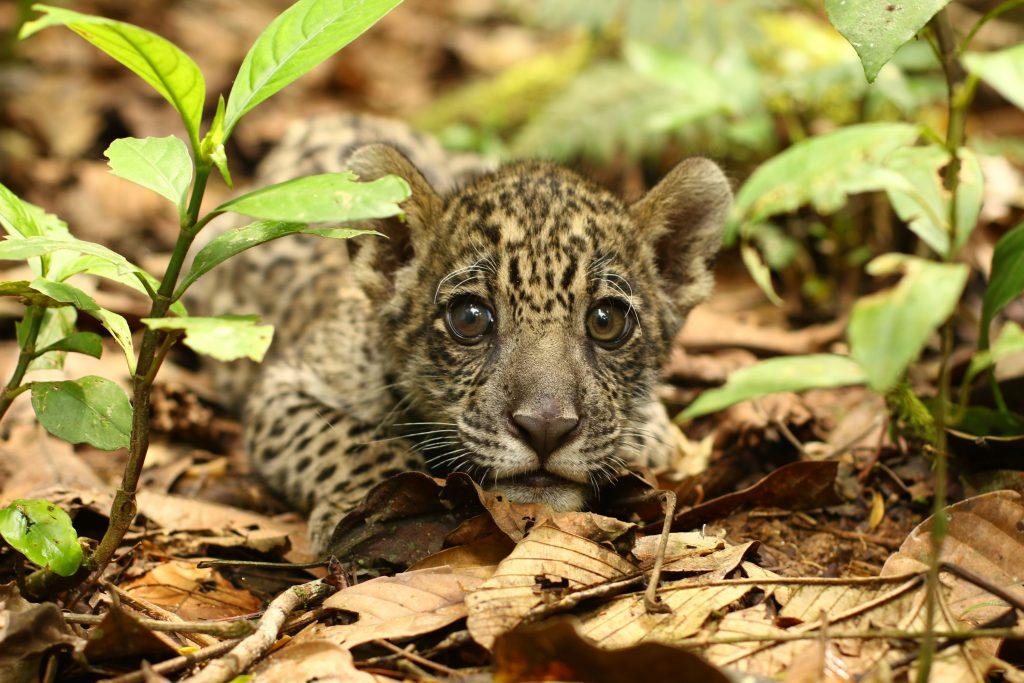
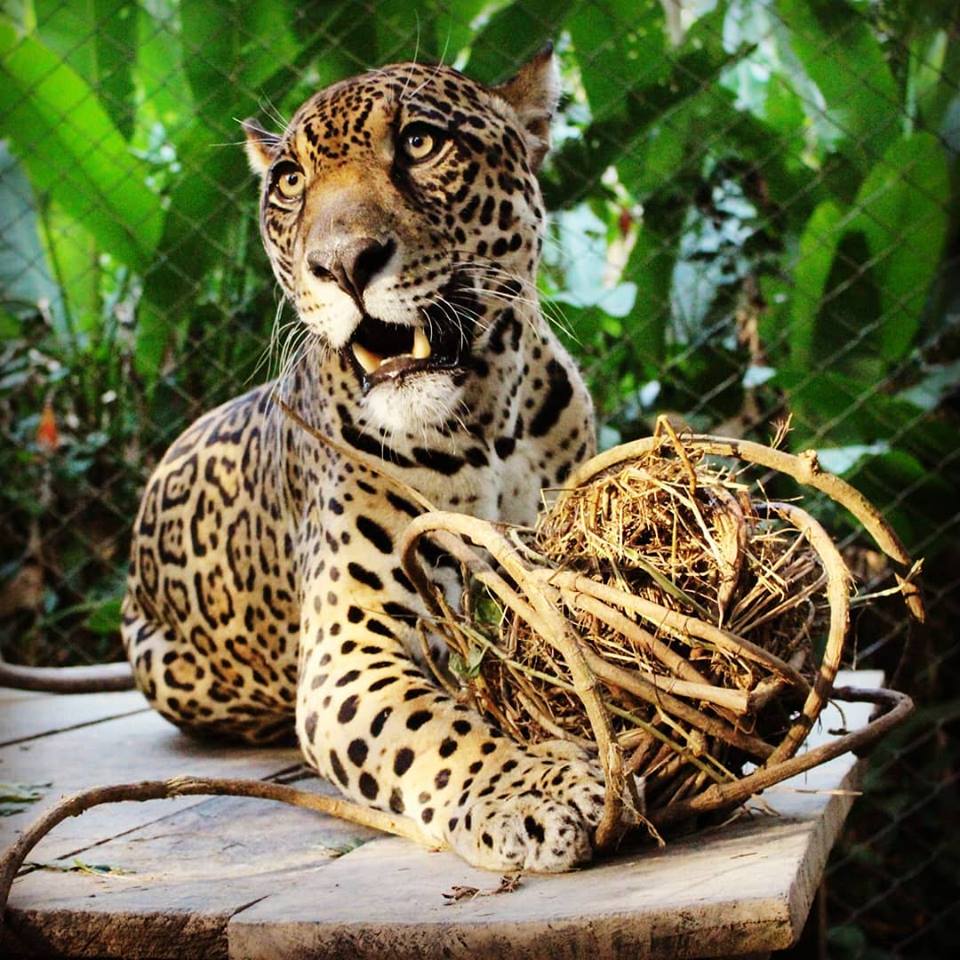
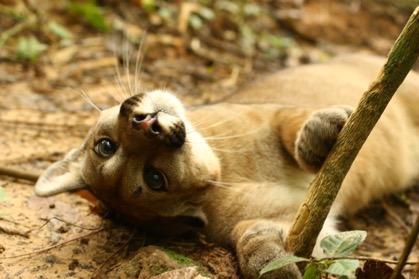
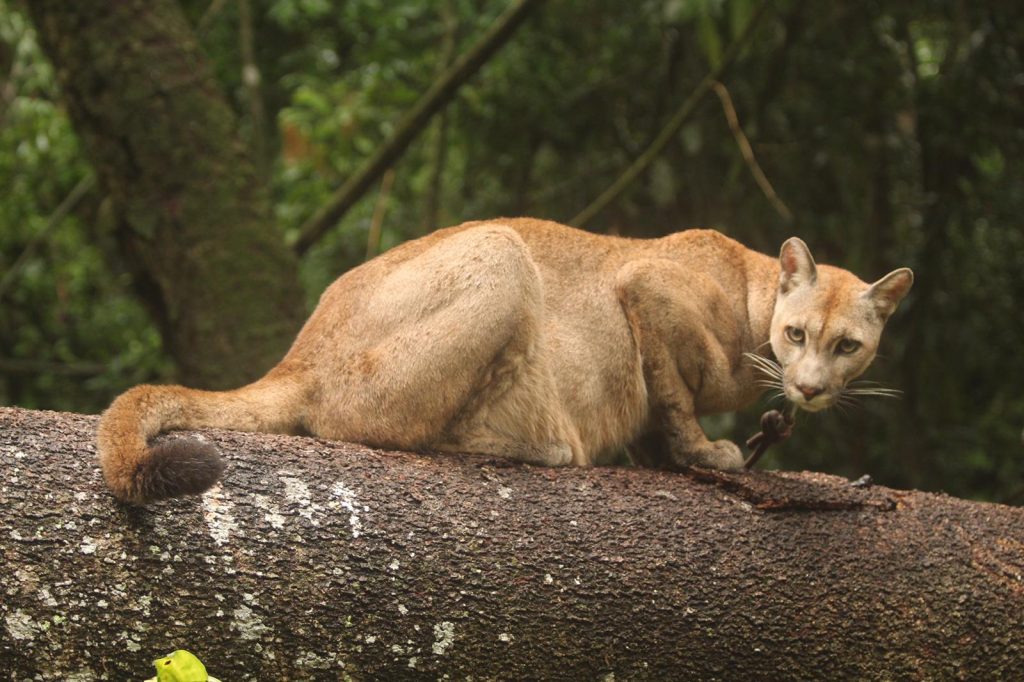
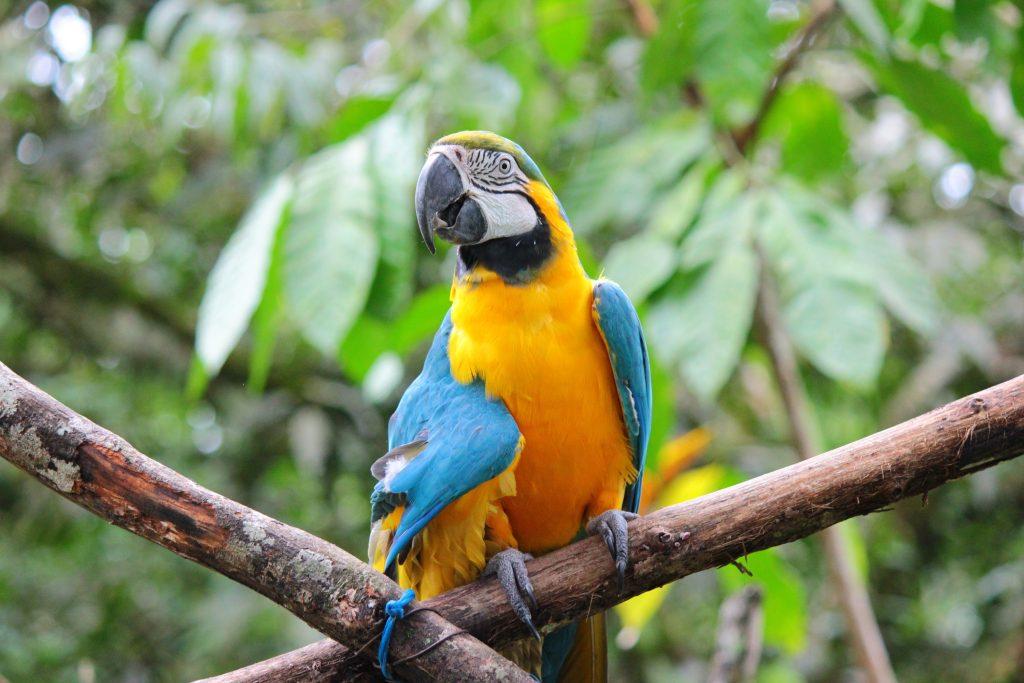
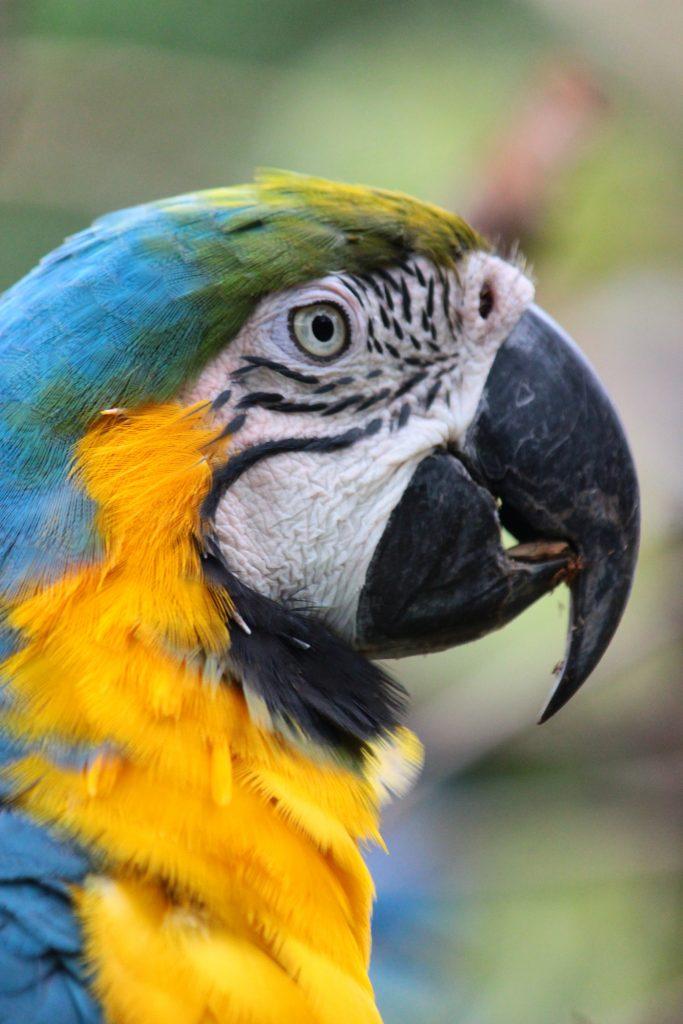
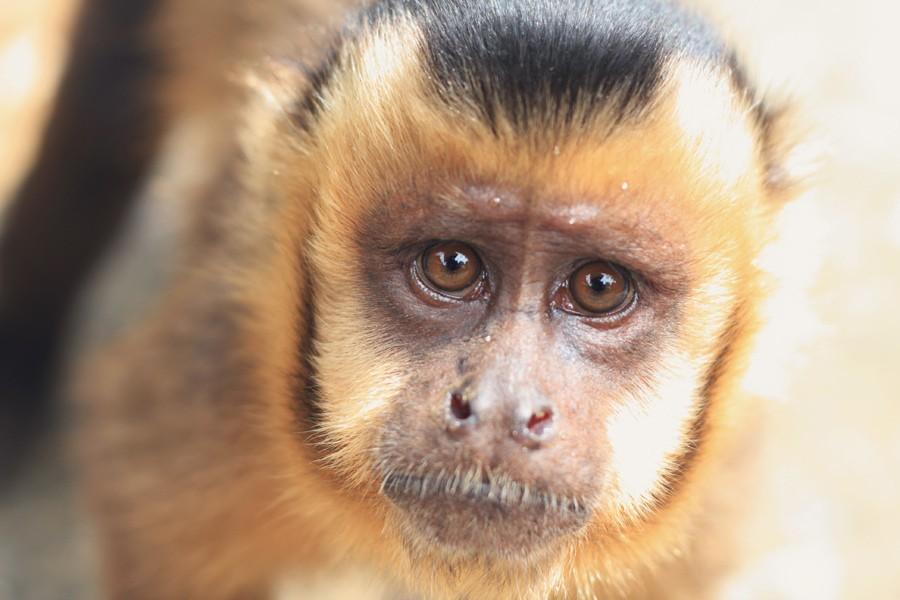
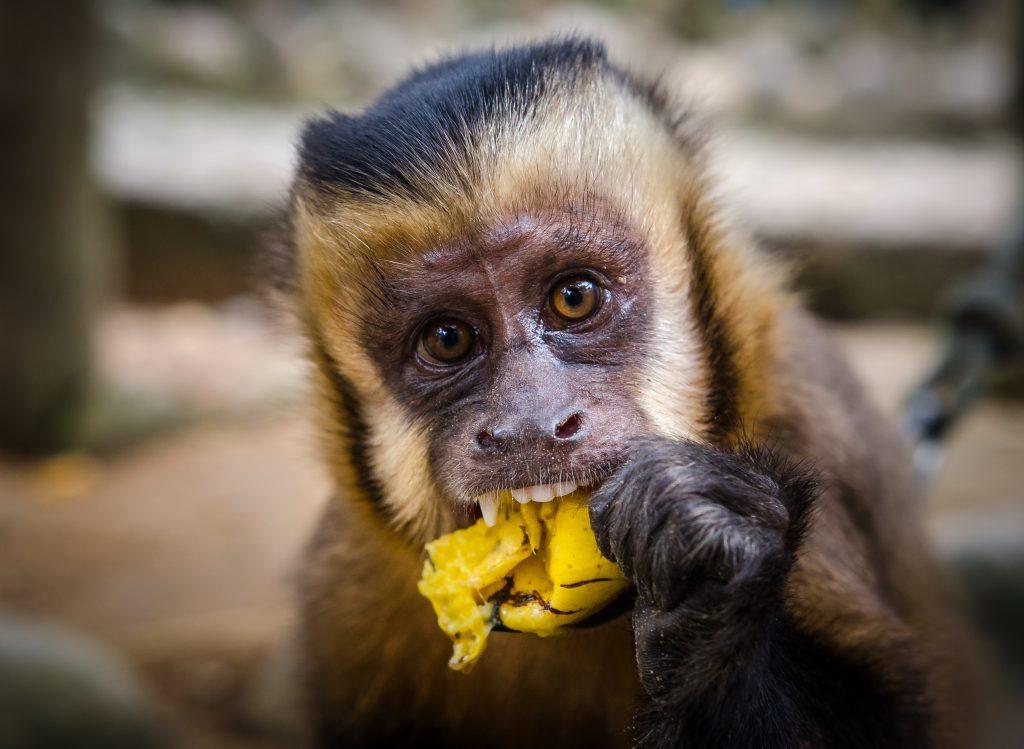
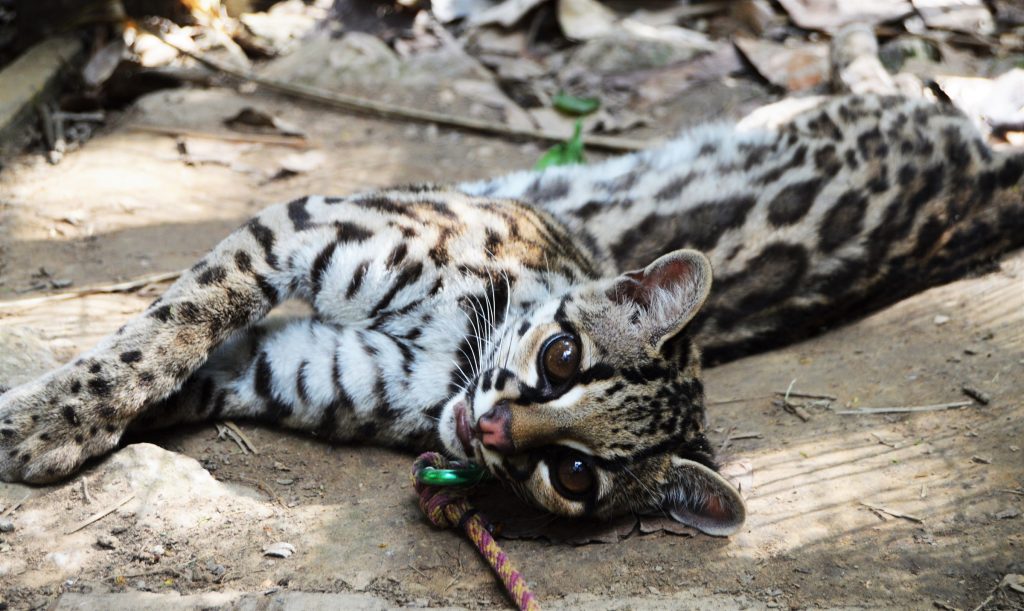
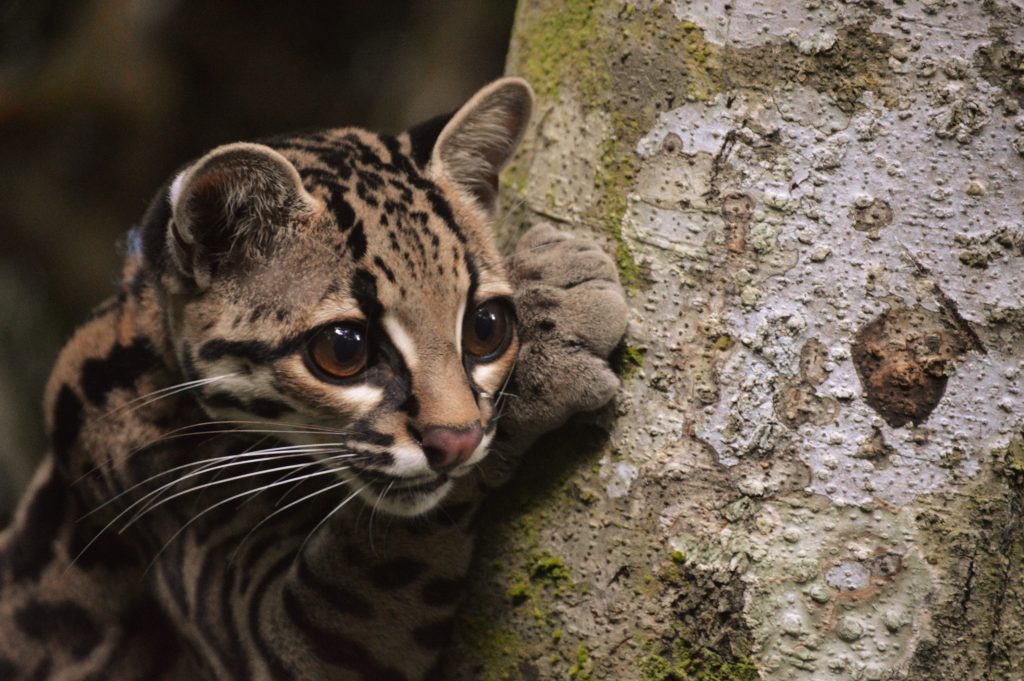
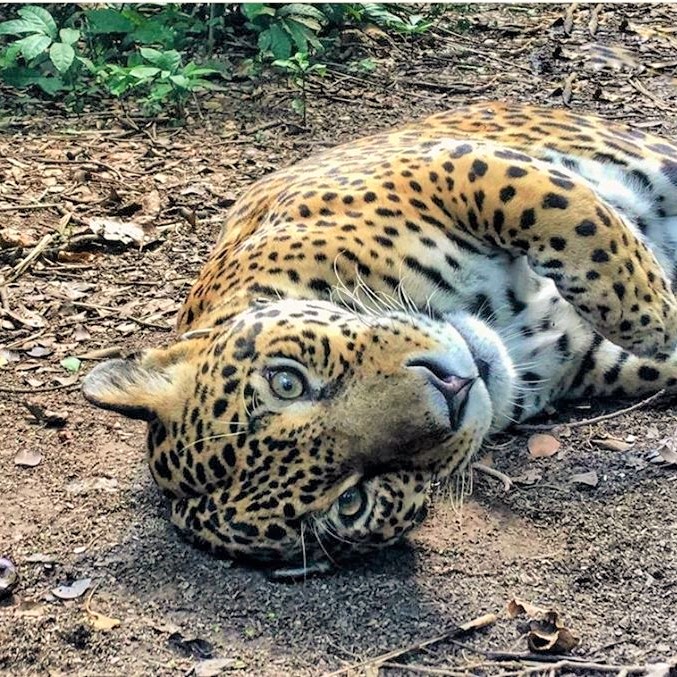
  • Parque Ambue Ari currently consists of roughly 600 hectares of jungle, in a very rural area of Bolivia. The organization is trying to buy new land all the time, so the park will continue to expand for the future. At the time of writing, the park has 25 cats including Pumas, Jaguars and Ocelots.  There are numerous monkeys, small mammals and birds but the focus of the work at Ambue Ari is with the cats.  The jungle in the park is teeming with wildlife, and it isn't uncommon to see monkeys, birds, anteaters, and the occasional snake. Jaguars have also been spotted, and there are signs of free-roaming Pumas.   Animals are arriving all the time, so the Ambue Ari family is growing and changing.

What you'll be doing:

  • The infrastructure is still in progress but is pretty well established now as we have been at this site since 2003. The park offers a variety of mucking in with daily tasks, as a rough idea you may be involved in preparing food for monkeys, carrying rocks for the latest enclosure and then spend the rest of the pay working with a cat.   In addition, there is a lot of work to be done to build and expand the park, so some construction will probably be a part of any volunteer experience (although it's generally enjoyable work.)
  • Your primary work is with the animals, but they need help with construction of cages and paths etc as well.

Cost: 

  • We ask our volunteers to pay for their first 15 days in advance. This is our main income, and the minimum we can feed and care for the animals on. It includes accommodation, kitchen, hot shower and common areas and in Parque Ambue Ari, three meals a day.
  • Volunteering (including accommodation, kitchen facilities, shower and food etc) costs US$200 for the first 15 days at Parque Ambue Ari
  • After your first 15 days, it costs US$9 at Parque Ambue Ari a night.
  • The cost of living is very cheap and an average volunteer spends about US$300 per month.  However there is no reliable way of getting cash or cashing travellers’ cheques in town, so bring enough for your stay (Bolivianos or dollars are fine.)

Back to top

Transport:

  • The closest major town is Ascención de Guarayos, which is roughly 5 hours by bus from Santa Cruz. There are a couple of companies that go direct to the park, the main one being Transportes del Oriente. They currently depart from Santa Cruz Terminal Interparroquial (same location as main bus terminal)
  • Buses to Trinidad will also drop you off at the park (you may arrive at night though.)
  • From Santa Cruz there are many companies who have buses to Ascención de Guarayos during the day and from Guarayos there are lots of buses that will take you the 45 minutes out to the park (all operated by Transportes del Oriente, ask at the bus terminal for when and where to catch them). These buses pass the park and go the other way as well, so it's fairly easy to hop from the park into Guarayos if you want to.

Facilities:

  • Ambue Ari is more basic than Parque Machía, there is no electricity, phone line or access to the Internet.  There are no shops, restaurants or pharmacies, but 8 km away, in a village called Santa Maria, there is a shop and we have a house for volunteers (used when the accommodation at the park is full.)
  • The nearest large town is Ascención de Guarayos, 48 Km away, where there are phone and email services, but it can be temperamental, so expect to be away from it all until you get back to Santa Cruz.
  • Mosquitoes are bad so bring creams and plenty of 100% natural repellent, (ones containing Citronella are best).
  • You cannot drink in the park

Accommodation:

  • Currently, most volunteers live in the park itself. The park has sleeping space for approximately 40 volunteers, in shared rooms with bunk-beds. If more space is needed, there is a house in Santa Maria 8km away (15 minutes in the frequent buses) with spaces for another 21 volunteers there.  Some volunteers with their own tents sometimes chose to camp at the park, however during the wet season (Dec-March) this is not possible. 
  • The beds have sheets but no blankets. It is occasionally cold at night, so if you have one, do bring a sleeping bag or blanket. There are a number of mosquito nets available, but they aren't all in the best condition. They can be purchased cheaply in most parts of Bolivia, including in Ascención de Guarayos.
  • If you can find some, bring games to play with the children - checkers/drafts/cards etc.
  • The park has running water, proper toilets and (cold) shower facilities. The water is from a well, and most volunteers drink it straight without treatment with no problems. If you're concerned about water purity, you can bring your own water purification.
  • There is no electricity at the park, so bring plenty of batteries for your torches. There are almost always plenty of candles at the park but bringing along a pack is good idea.
  • In the wet season there is quite a lot of, well, umm, water. Don't fret though as there are many rubber/Wellington/gum/muck boots available to use (although if you have very small or large feet get some before you arrive). You may want to bring extra old clothes so you can change during the day - long trousers and long-sleeved shirts to discourage the mosquitoes. If you are staying for a while, also bring a mosquito net (available in any town for around US$5) that you can put over you while your jaguar sleeps off lunch! Some people also wear rubber gloves to protect their hands from mosquitoes, and a hat to cover themselves from the sun. For real luxury, highly recommended is to bring talcum powder to dry off your tired, damp feet at the end of the day! Remember that these recommendations are for the wet season (roughly Dec-Mar).
Back to top

Food:

  • The park has a kitchen and a cook, all meals are cooked and eaten there (and, at Ambue only, included in the volunteer fees). Vegetarian options are also always available, and in general the food is very good and plentiful. If you have special needs or wants, (such as an Oreo habit you just can't kick), you should bring those items with you. Limited supplies can be bought in Santa Maria, or a much wider selection in Guarayos. Vegans are advised to bring protein foods as there is little locally available aside from staples, ie, rice and vegetables. Oats are very rich in protein, so porridge is recommended! Vegetarians or vegans may wish to stock up on some spices/sauces et cetera as local vegetarian fare is largely eggs and cheese.

What you'll spend:            

  • Remember that except for volunteer costs your expenses will be minimal. Allow enough for your choice of the following:
    • Extra food supplies (pick up some nice goodies in Guarayos.) Breakfast is basic and you may want to add jams and also condiments for your main meals to spice them up.
    • A few drinks (no estimates here as everybody has a different idea of a few)
    • A couple of dinners in town per week (10 to 60 Bolivianos per meal depending on your choice of restaurant)
    • Transport between the park and Guarayos, Santa Maria. (from Guarayos taxis cost around 70 Bolivianos so is inexpensive if you have a group, otherwise the bus is cheap)
    • Second hand clothing as you will need long pants and long sleeves due to mosquito’s and most clothes will be ruined during your stay (10 to 20 Bolivianos per item)
    • Internet

What to bring?

  • Wellies and/or walking boots
  • Lots of socks (long socks, to wear with boots)
  • Warm clothes and sleeping bag for night time (it can get down to single figures Celsius at night)
  • Waterproofs
  • Clothes to work in which you are happy throw away at the end (long sleeved tops and trousers – a good option for this is to by things from second hand stores in towns near to the parks, a dollar for a shirt and a dollar for a pair of trousers!)
  • Biodegradable soap/shampoo, especially if at Ambue Ari/Jacj Cuisi
  • Repellent/sun cream/any cosmetics – nothing with chemicals can we used on your skin when working with the animals, only bring natural repellents (eg. citronella)
  • Headtorch – especially in Ambue Ari and Jacj Cuisi
  • Food – Machia has plenty of restaurants and food stores nearby. At Ambue and Jacj Cuisi, while you do receive your meals, you may want to bring some choice sauces to add to the food – chilli, ketchup, marmite etc.
  • Money – even though there are ATMs in the towns by Machia and Jacj Cuisi, they don’t always work. The nearest cash machine to Ambue Ari is Santa Cruz (6 hours away), bring enough money to last your stay.

Finally, if you're not on a tight schedule bring enough to stay longer than planned, as many people find it hard to leave the animals and people.

Health  All Health issues are down to personal consideration of the risks. We recommend that if you are travelling from the UK you visit Fit For Travel, which is a website run by the NHS giving travel health advice to people from the UK.  If you are not from the UK please check with your own countries recommendations (similar resources can be found for most countries.) We cannot offer advice as we do not have the expertise.

Ascención de Guarayos:

  • It is fairly easy to pop into Ascención de Guarayos. There are occasional buses from the park, or a 70Bs taxi shared between several people.
  • There is a hospital, church, restaurants, pharmacies, markets, even a Western Union where you can get (expensive) advances on a credit card. The supermarket near the roundabout can sometimes change small amounts, eg, US$20.
  • Second hand clothes are available in the markets directly behind the bus terminal
  • The markets have a wide range of general goods inc. batteries, CDs, toiletries etc.
  • There is a small pharmacy on the plaza for toiletries, first aid and medical supplies.
  • There are a few mini marts opposite the bus station for extra food

Children:

  • The minimum age for volunteers is 18 (17 on referral) Children can also of-course tour the park and meet most of the animals - we regularly have children visiting (we run school programs throughout Bolivia).

top